




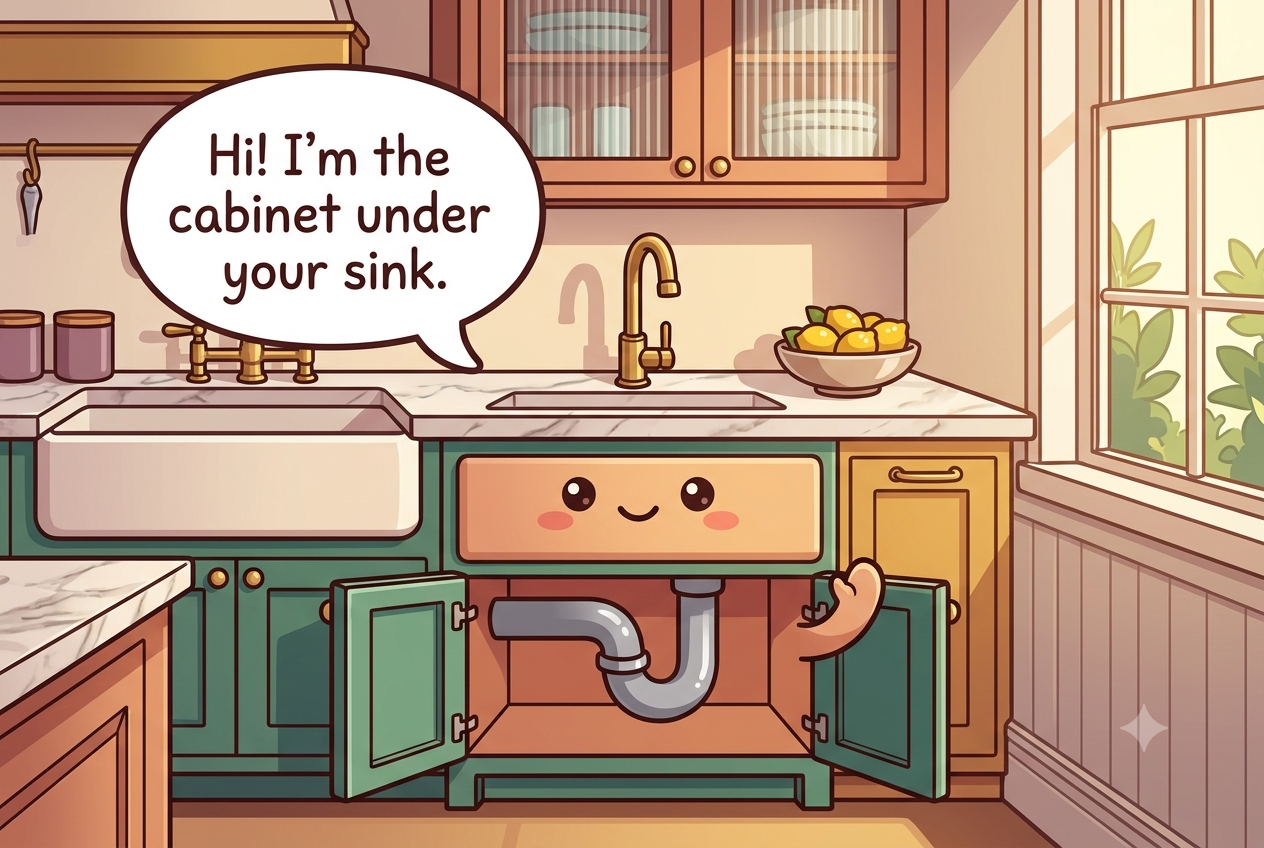
How to Organize Under the Kitchen Sink Around Pipes and Leaks
Organize under the kitchen sink by keeping pipes and valves clear, using removable caddies, securing cleaners, and leaving leaks easy to spot quickly.
Room-by-room organization that holds up
No showroom perfection and no shopping list disguised as advice. Start with the space you have, the things you use, and the habits your household can actually repeat.
One specific space per guide
No affiliate product rankings
Built for ordinary American homes
Start where the clutter collects
Each guide is written around the physical limits of that space—pipes, shelf depth, drawer height, door swing, and how often you reach for what lives there.
Organize under the kitchen sink by keeping pipes and valves clear, using removable caddies, securing cleaners, and leaving leaks easy to spot quickly.

Organize a small reach-in closet by dividing hanging space by garment length, using low floor storage, and keeping the top shelf light, safe, and labeled.

Organize a junk drawer by defining its purpose, testing loose items, grouping categories before buying dividers, and limiting duplicates to what fits visibly.

Organize a bathroom vanity by daily routine, use shallow drawer zones, fit removable storage around plumbing, and keep medicines out of humid cabinets.

Organize a deep linen closet with front-and-reserve zones, complete sheet-set bundles, labeled bins for small supplies, and heavy items on lower shelves.

Organize under-bed storage by measuring clearance, choosing low lidded containers, labeling both ends, and keeping a clear pull path for seasonal items.
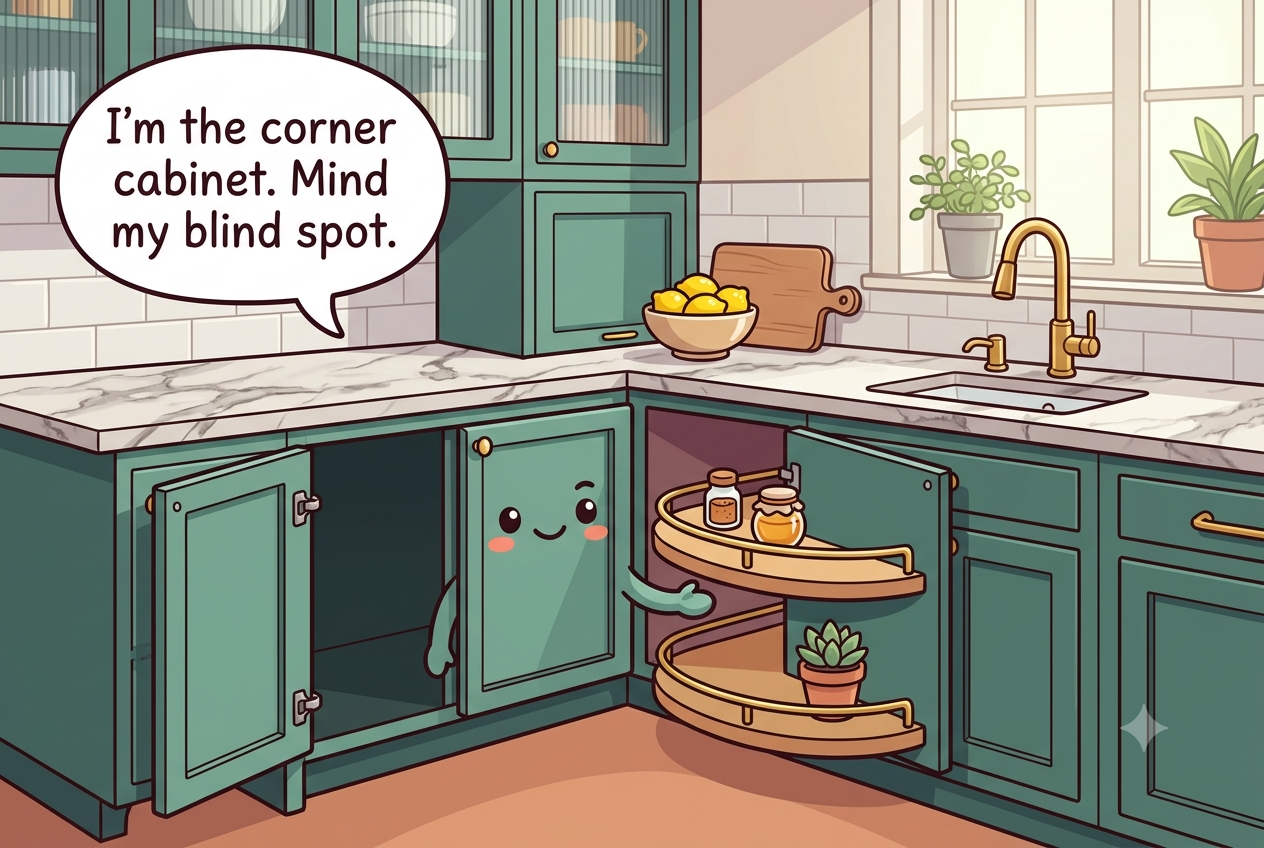
Organize a corner kitchen cabinet by matching storage to the door and shelf shape, keeping daily items reachable, and putting heavy cookware low and forward.

Organize an entryway drop zone with one home for keys, mail, bags, and shoes, keeping the doorway clear and daily essentials easy to grab on the way out.

Organize food storage containers and lids by matching every pair, nesting compatible bases, filing lids upright, and keeping only useful sizes in rotation.
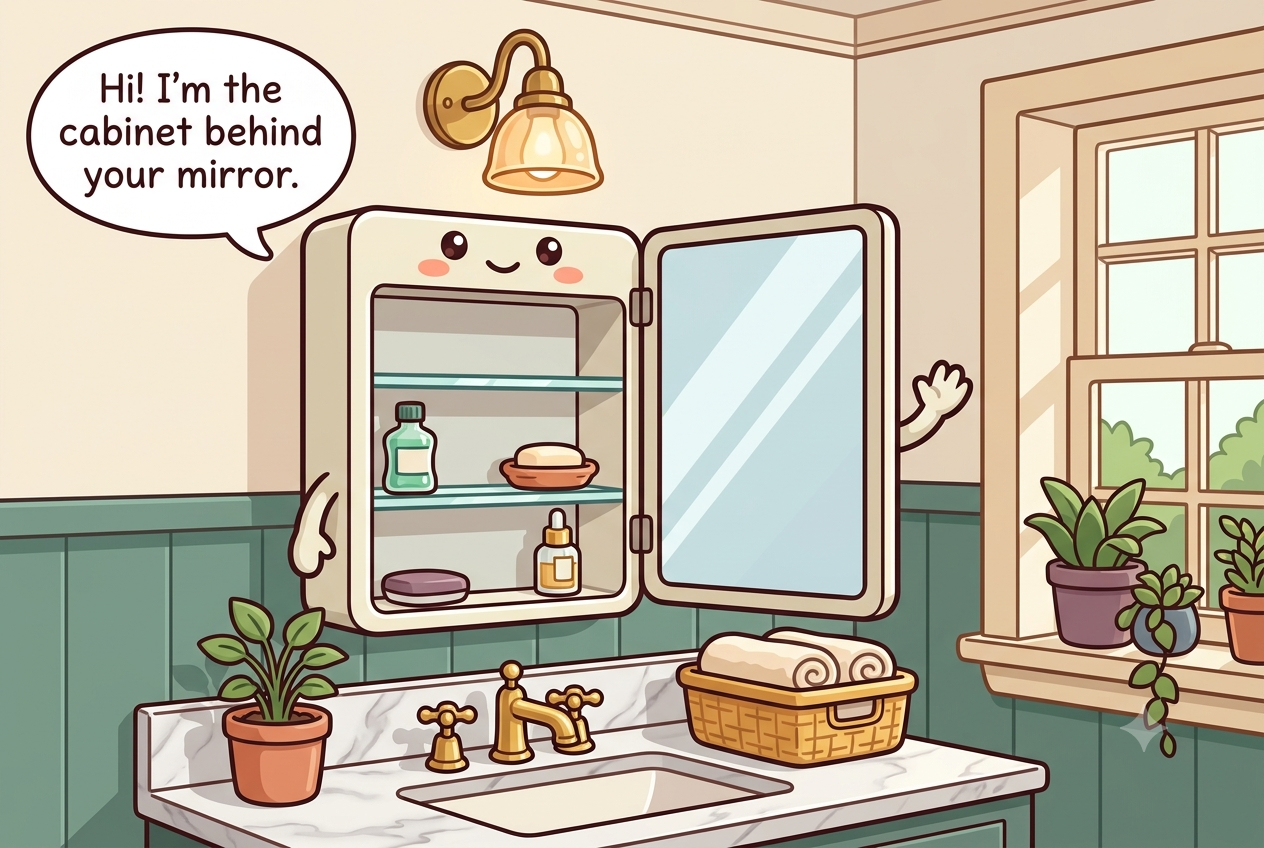
Organize a medicine cabinet by checking expiration dates, moving humidity-sensitive drugs, using shallow bins, and keeping all medicines securely stored.

Organize a spice drawer with readable labels, cool dry storage, cooking-based groups, and dated jars so older spices stay visible and easy to replace.

Organize a nightstand around sleep by clearing overflow, separating the surface from the drawer, managing charging cords, and storing medicine securely.

Organize upper kitchen cabinets by assigning shelves by reach and weight, using top shelves for light items, and keeping deep storage visible and reachable.

Organize a cabinet pantry with broad food zones, pull-forward storage for deep shelves, first-in-first-out rotation, and low placement for heavy packages.

Organize an entryway coat closet by rotating seasons, protecting the floor from wet boots, limiting overflow, and keeping daily outerwear easy to reach.

Organize a refrigerator by cold zones, keep raw meat on the bottom shelf, protect airflow, use crispers correctly, and keep the fridge at 40°F or below.

Organize a TV media console by tracing cables, protecting device airflow, mounting power strips safely, securing batteries, and anchoring tip-prone furniture.

Organize a shared kids' closet with clear zones for each child, current sizes within reach, hand-me-down bins, open floor space, and anchored furniture.
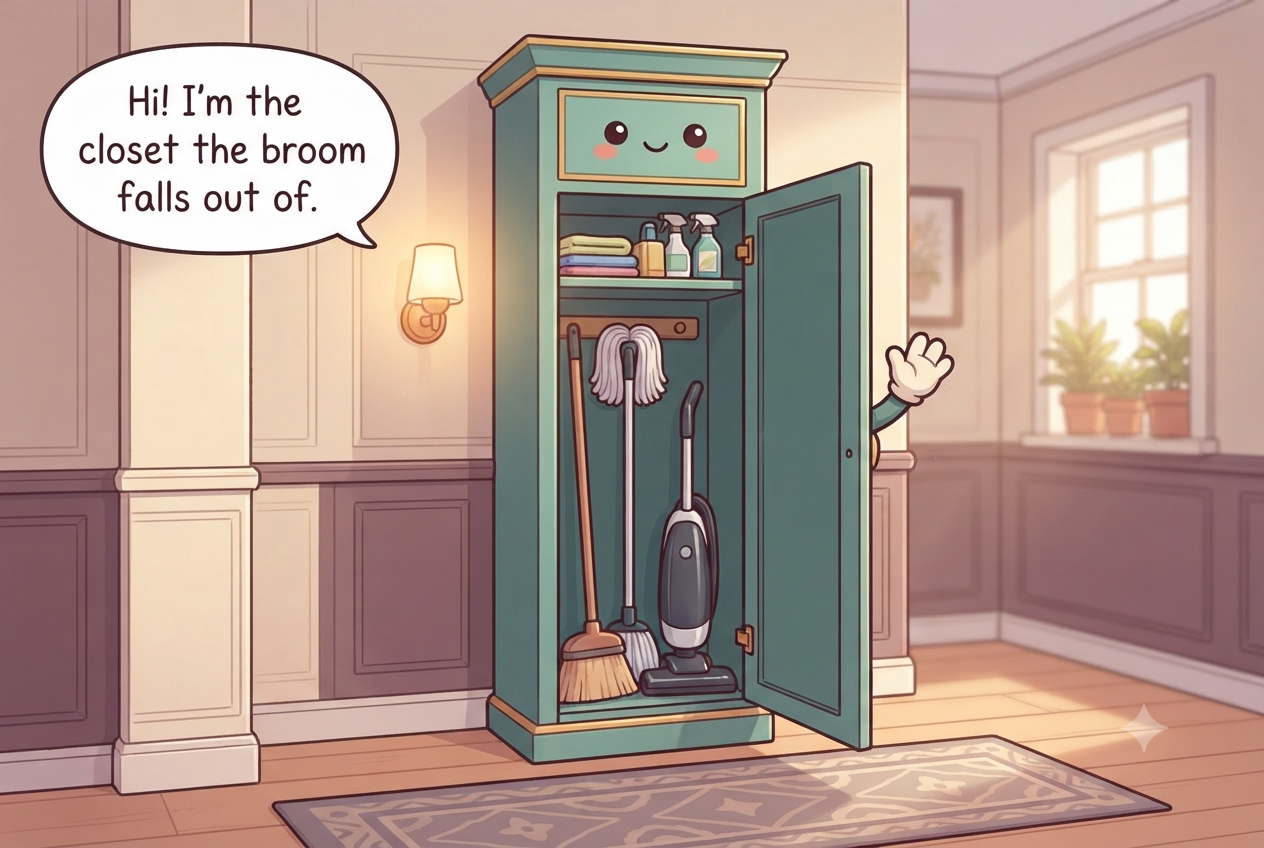
Organize a broom closet with wall-mounted long tools, a dedicated vacuum bay, dry mop storage, locked chemicals, and clearly labeled cleaning caddies.

Organize a home office desk with a clear daily surface, a shallow tool drawer, active files, a capped paper inbox, and safe, accessible cable management.

Organize a freezer by meal-based zones, flat-filed bags, clear dates, oldest-first rotation, and a steady 0°F temperature that protects frozen food safely.

Organize pots and pans by separating daily cookware, nesting safe stacks, filing lids, protecting surfaces, and keeping heavy pieces low and easy to reach.
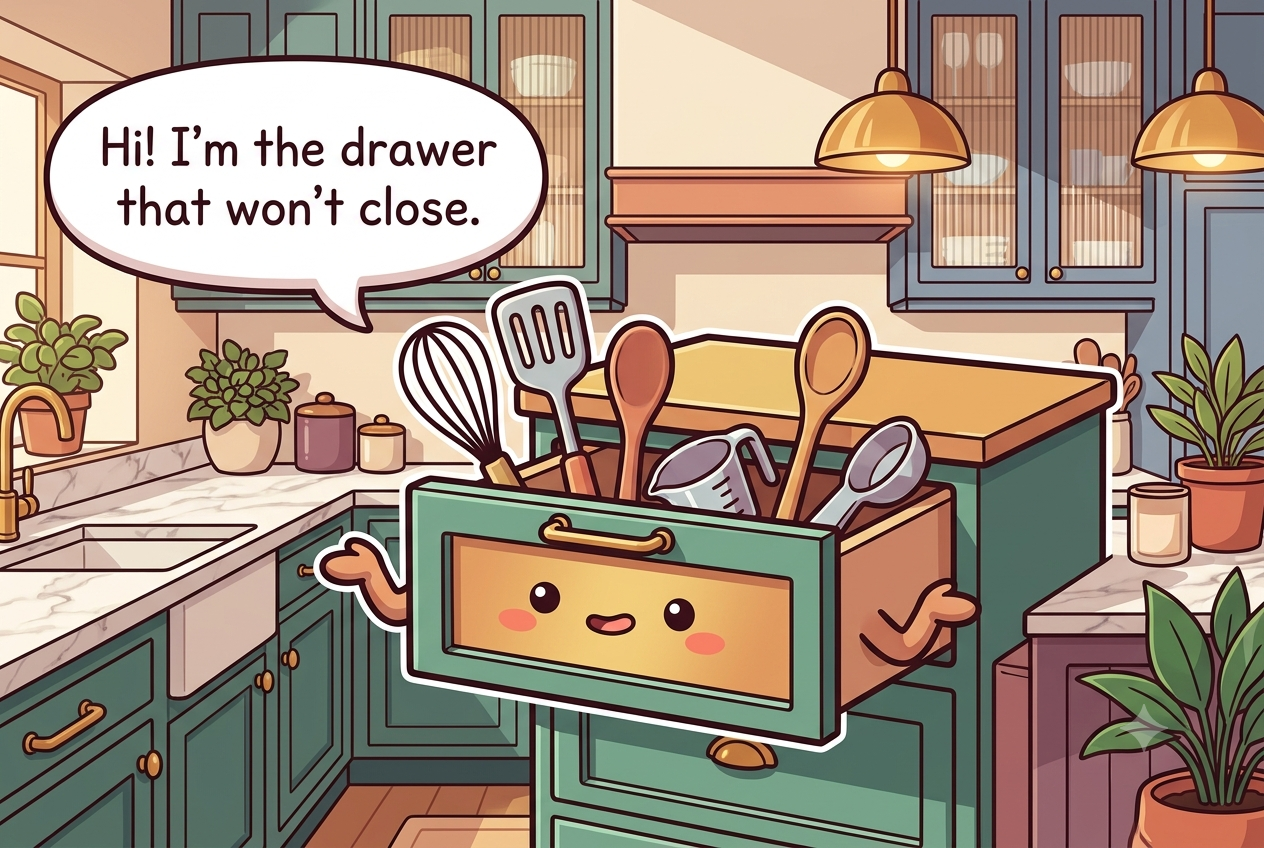
Organize a kitchen utensil drawer by measuring height, keeping one visible layer, grouping tools by cooking task, and removing anything that jams the drawer.

Organize a dresser by drawer height and daily use, fold clothes visibly, keep heavy items low, clear the top, and anchor the furniture to prevent tipping.
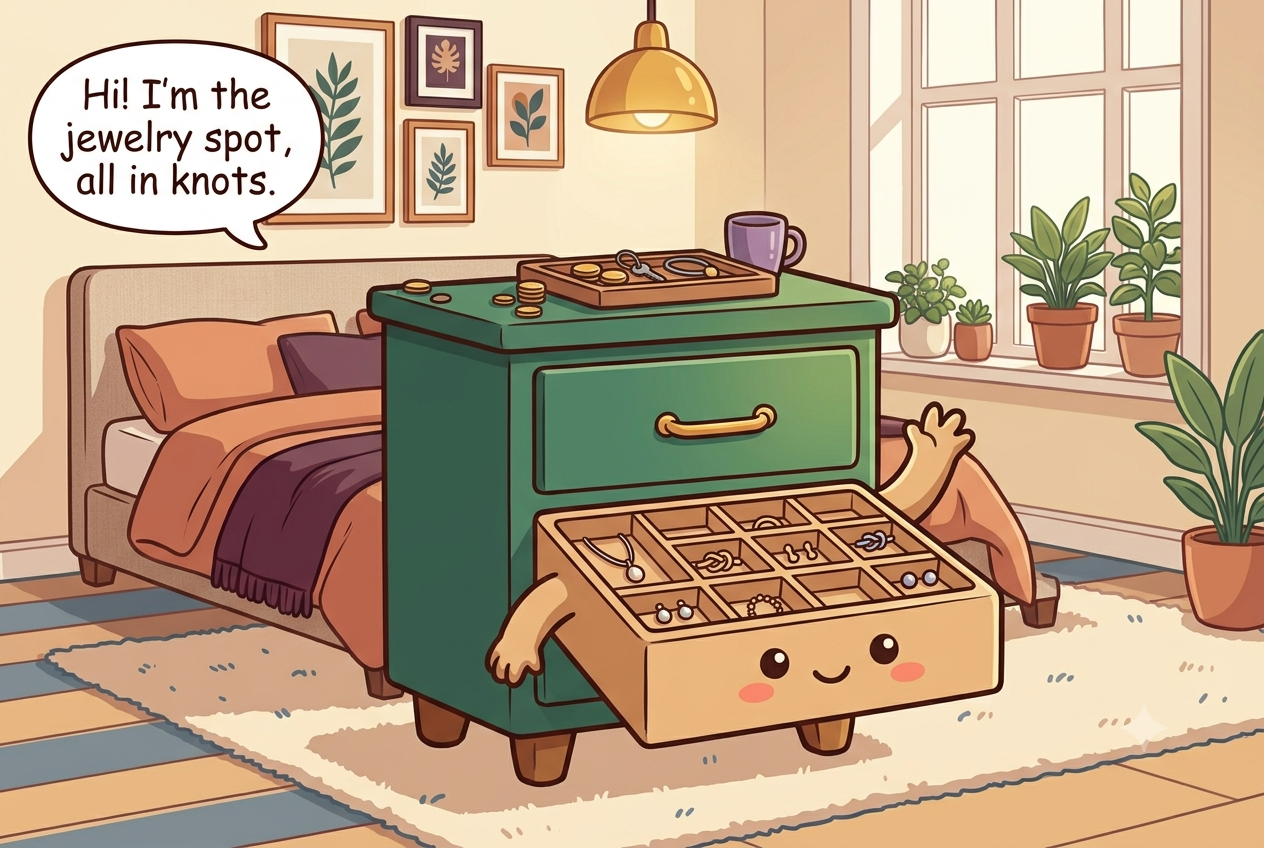
Organize jewelry with separate necklace hooks, paired earrings, shallow compartments, dry tarnish-conscious storage, and one small daily landing dish.
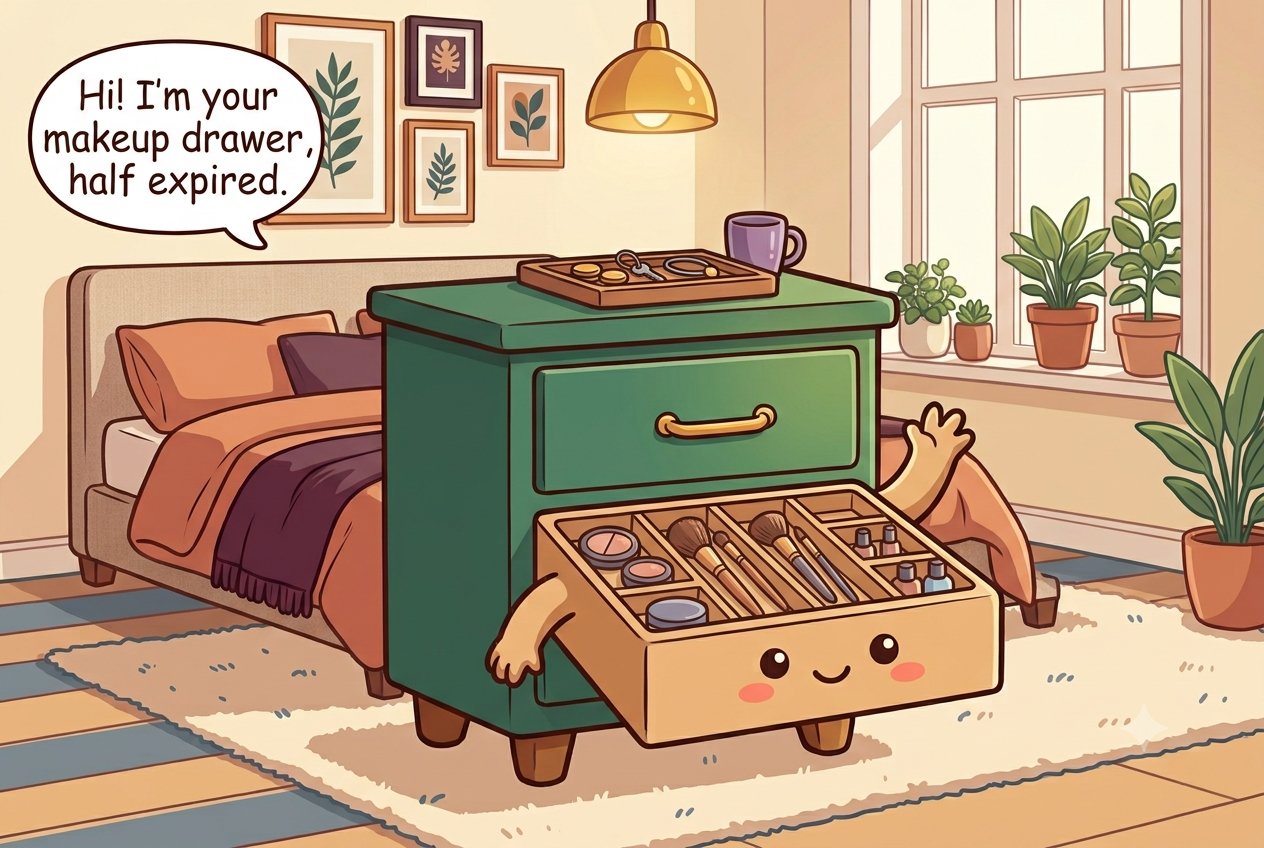
Organize makeup by daily use and product age, keep tools clean and dry, store cosmetics away from excess heat, and replace short-life eye products promptly.

Organize a mudroom with one zone per person, reachable hooks, a washable wet-gear area, clear walkways, and seasonal gear kept outside the daily lane.

Organize a garage by activity zones, wall storage, low heavy bins, locked hazardous products, clear utility access, and 3-foot fire-safe heat clearances.

Organize toy storage with low open bins, simple kid-friendly categories, secured small-piece sets, toy rotation, and anchored furniture for safer daily cleanup.
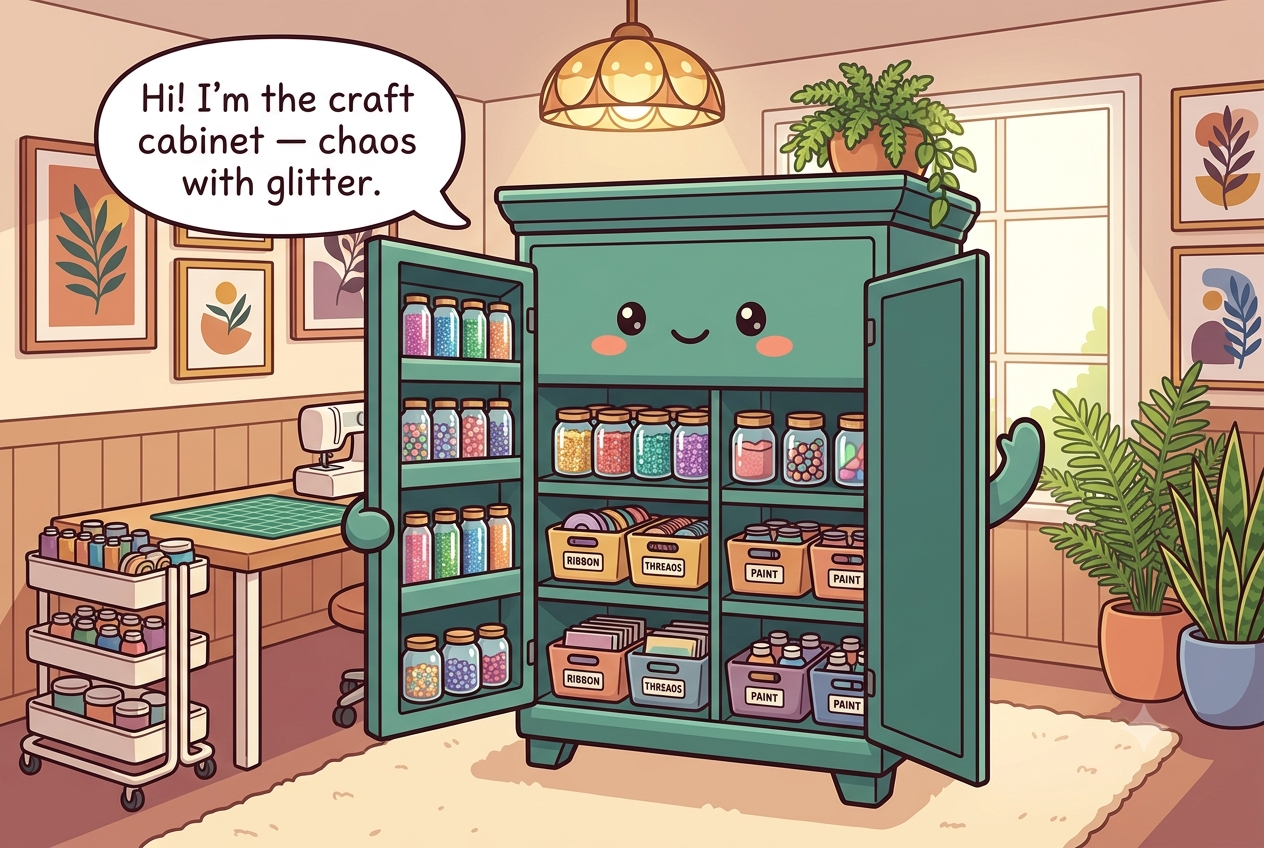
Organize craft supplies by project or material, using clear small-parts storage, one bounded work-in-progress area, and secure storage for blades and chemicals.
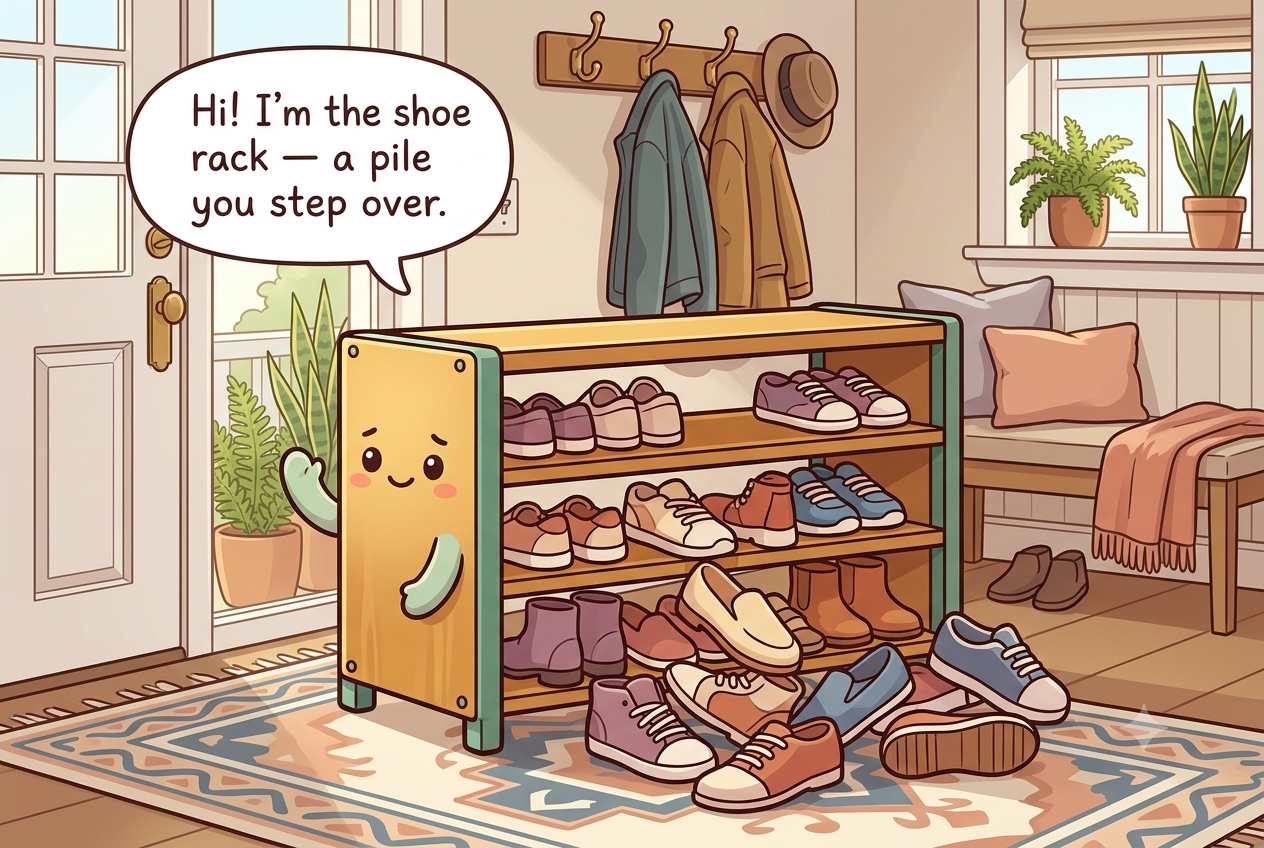
Organize shoes with a current-season rotation by the door, a washable tray for wet pairs, easy-reach daily storage, and labeled overflow stored elsewhere.

Organize a bookshelf for real use: group books logically, keep heavy volumes low, leave room to browse, anchor the case, and maintain a small donation spot.

Organize a walk-in closet by protecting the walkway, assigning rods and shelves clear jobs, keeping heavy items low, and making simple seasonal swaps.
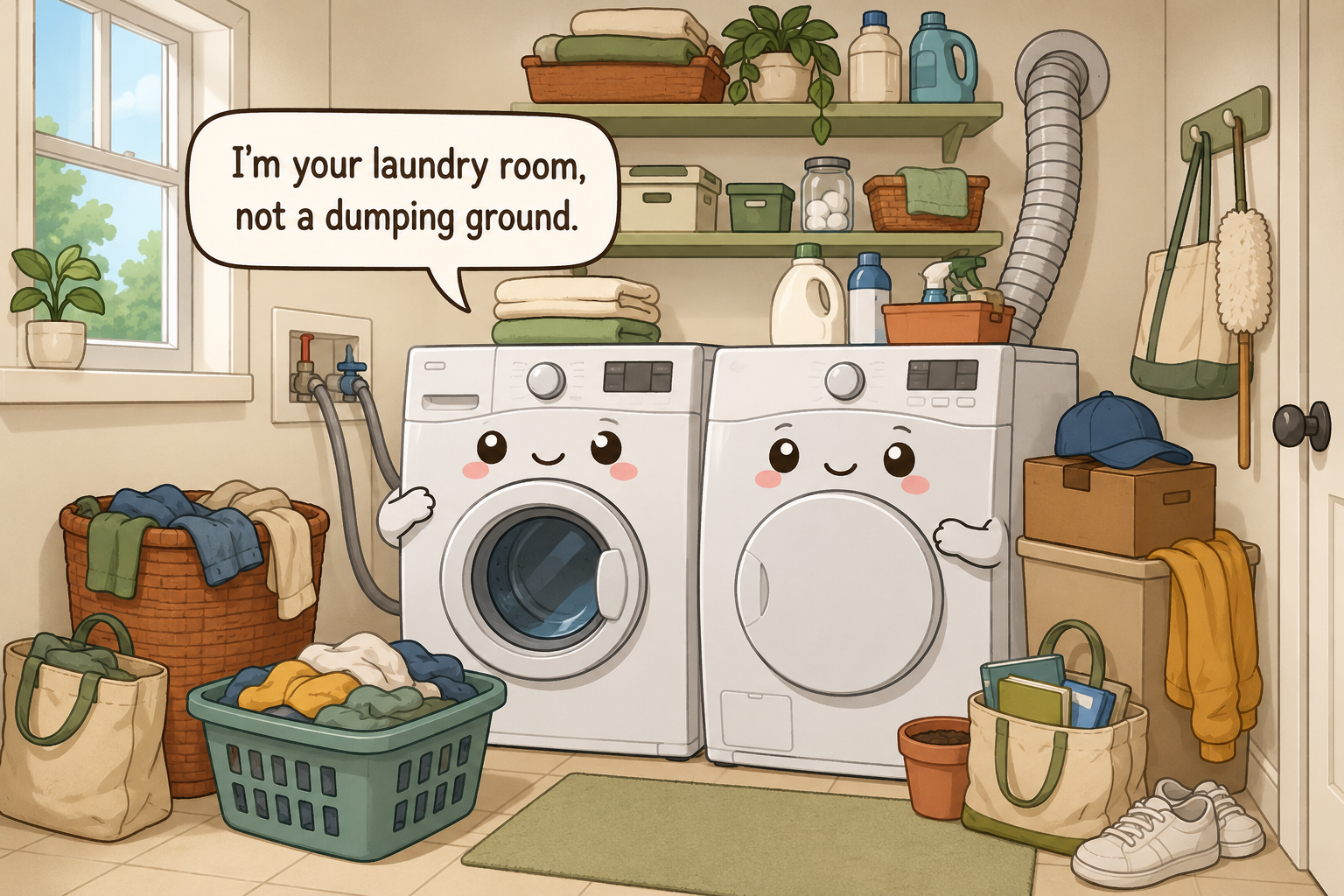
Organize a small laundry room with wash and dry zones, locked chemical storage, clear utility access, a fixed hamper area, and regular dryer-lint care.

Organize a walk-in pantry with visible food zones, first-in-first-out rotation, heavy items low, a firm backstock limit, and a weekly use-soon meal scan.
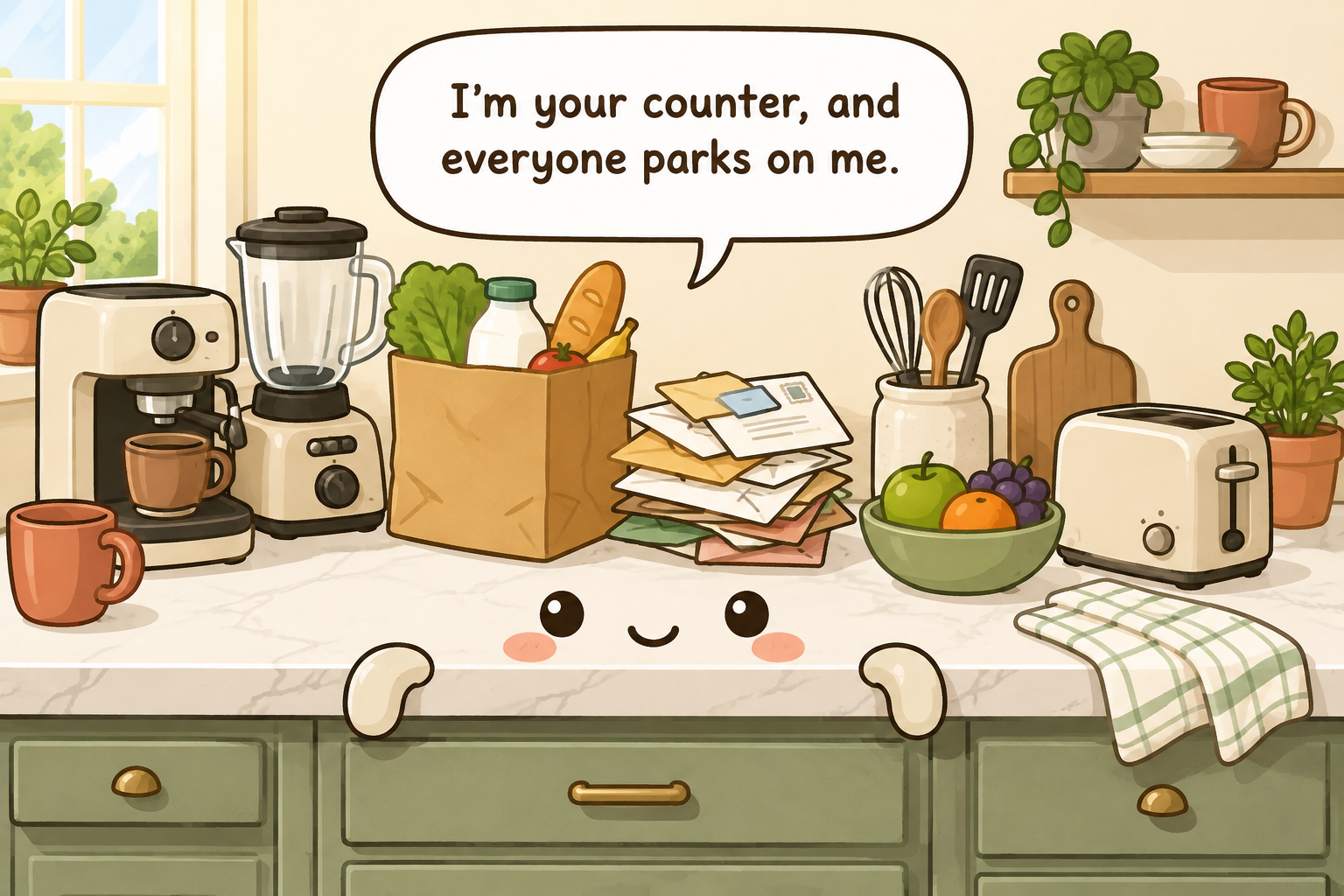
Organize kitchen countertops by protecting prep space, keeping only frequent appliances out, moving paper elsewhere, and using a nightly closing reset.

Organize paperwork by next action, protect vital originals, use broad files, follow real retention rules, and securely destroy sensitive records on time.
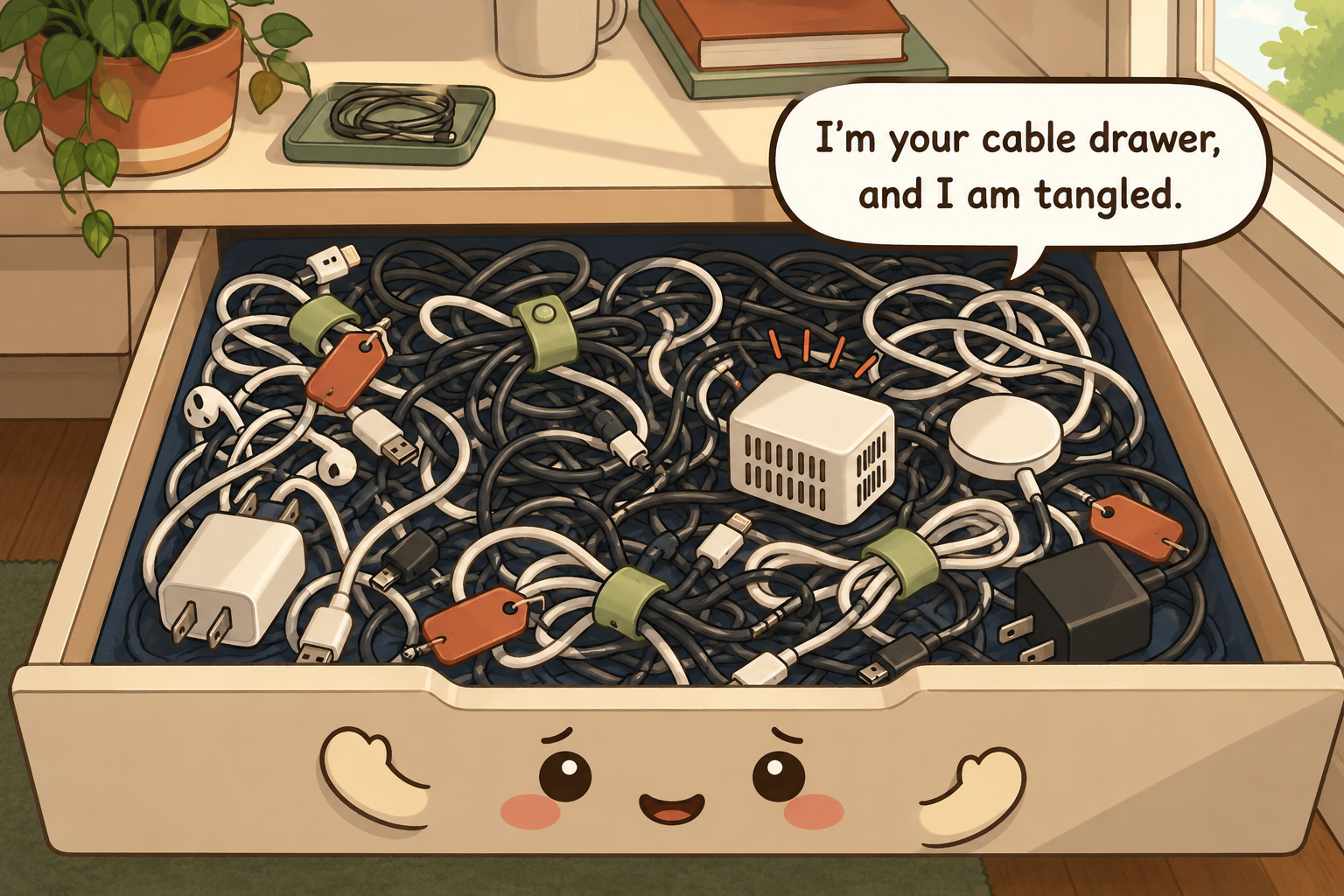
Organize cords by identifying both ends, separating active power from spare cables, coiling loosely, labeling by device, and recycling obsolete duplicates.

Organize attic storage after checking structure, keeping sensitive items out, protecting soffit ventilation, and maintaining a clear permanent walkway.

Organize a damp basement by fixing moisture first, keeping storage raised, protecting utility access, controlling humidity, and planning for flood recovery.

Organize a car by keeping sightlines, pedals, and airbag zones clear, securing trunk cargo, limiting loose cabin items, and removing heat-sensitive products.
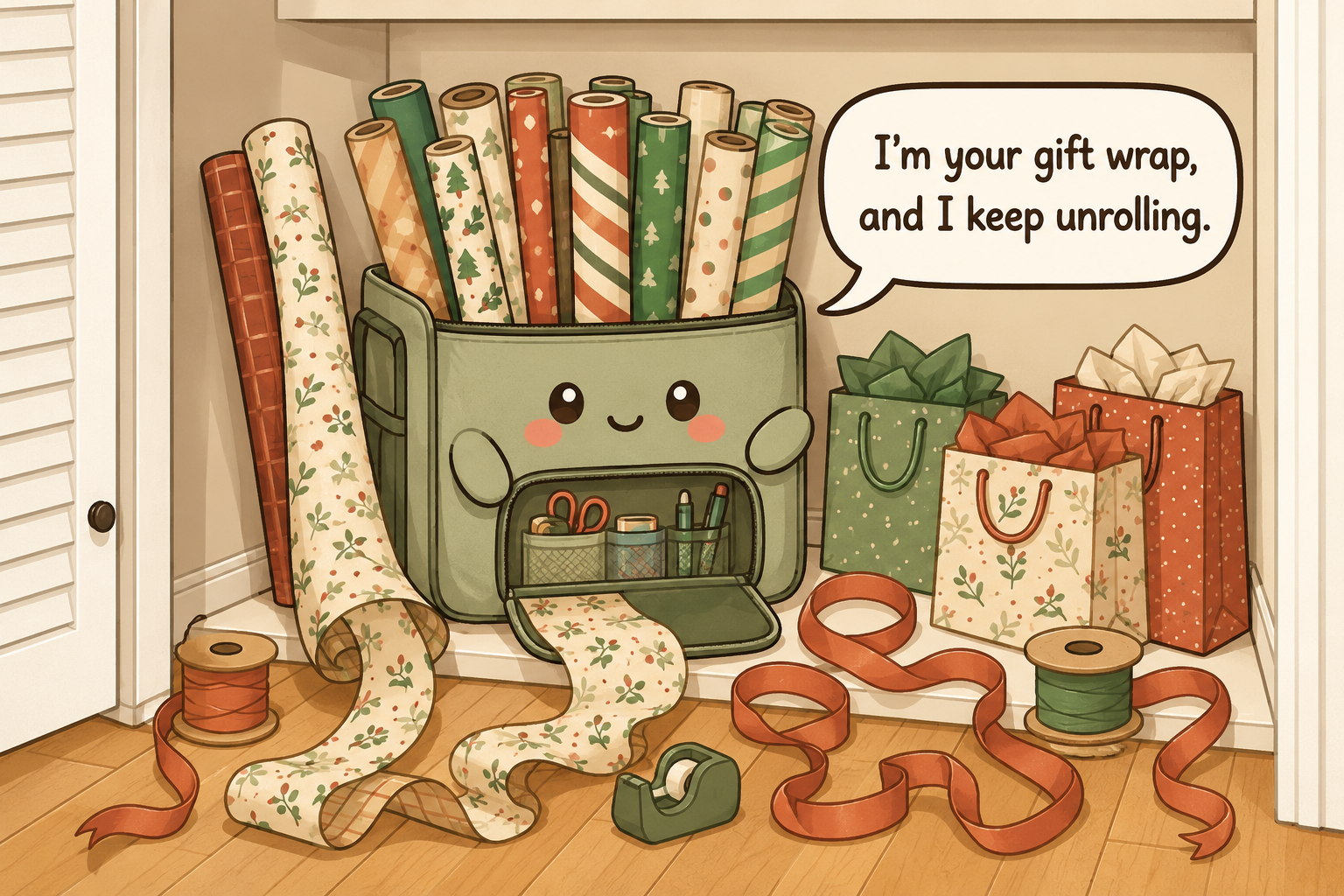
Organize gift wrap with upright paper rolls, filed bags and tissue, a portable tool kit, controlled ribbon ends, and secured scissors or craft knives.
Start with a problem, not a product
Pipes, hinges, sloped ceilings, and deep shelves determine the layout before a container enters the room.
Frequently used items get the easiest positions. Backups and occasional items earn the harder-to-reach space.
A system is finished only when putting things back takes fewer steps than leaving them out.